

The Ultimate Guide to Mandarin Daycare: Nurturing Bilingual Minds
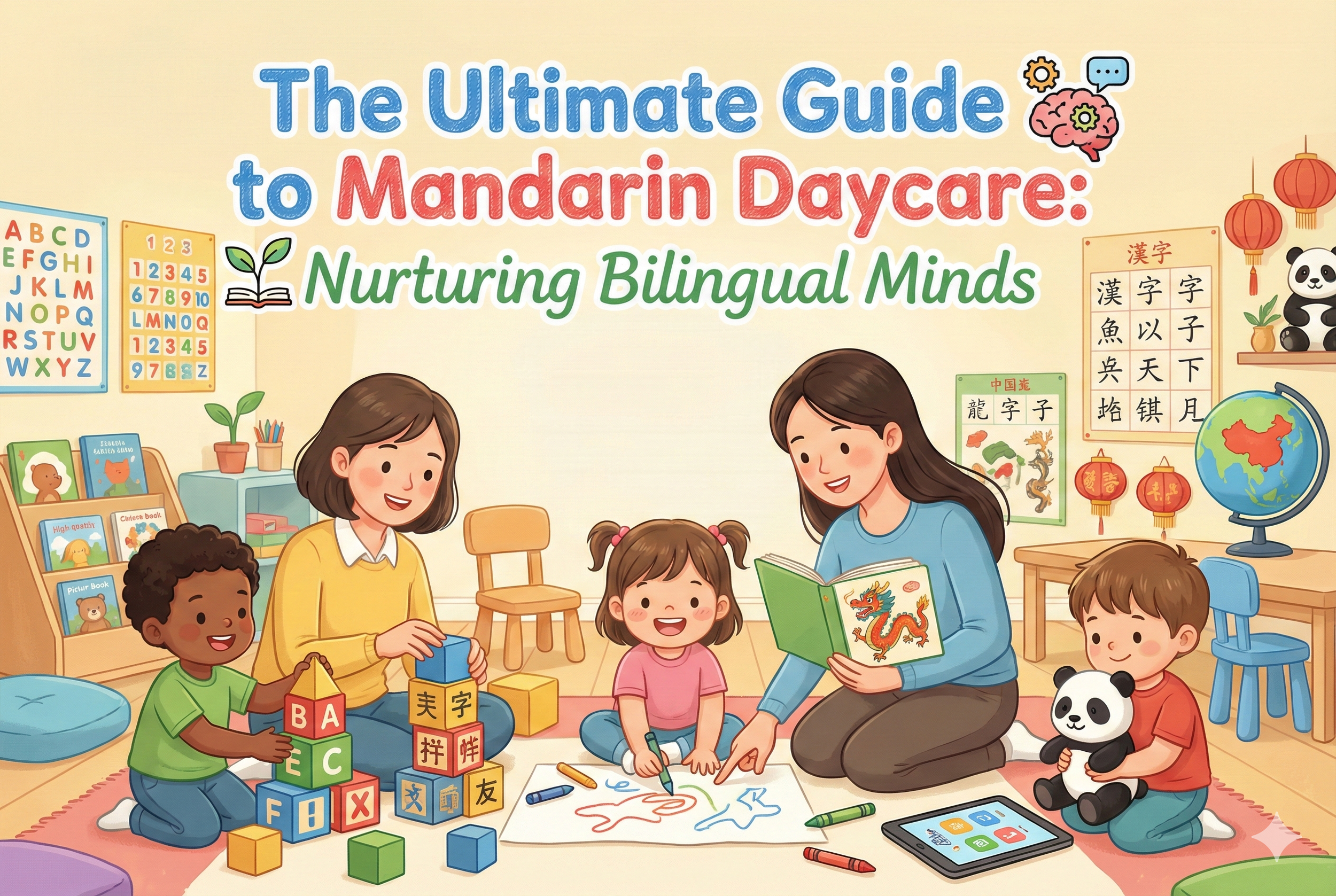
As the world becomes increasingly interconnected, the ability to speak multiple languages has never been more valuable. For many parents, enrolling their children in Mandarin daycare is an excellent way to nurture bilingualism from a young age. This comprehensive guide will explore the benefits, features, and considerations of Mandarin daycare, helping you make the best choice for your child.
1. Understanding Mandarin Daycare: An Overview
Mandarin daycare centers focus on immersing children in the Mandarin language while introducing them to Chinese culture. These centers are designed for early childhood education, typically serving children from infants to preschool age. The primary aim is to provide a nurturing environment where children can acquire language skills naturally through play, stories, music, and cultural experiences.
Unlike traditional daycare, which may focus primarily on basic caregiving and socialization, Mandarin daycare incorporates structured language learning into daily activities. Educators are usually fluent in Mandarin and trained in early childhood development, ensuring that children receive quality education alongside care. Understanding this foundation is crucial for parents considering Mandarin daycare for their little ones.
2. The Importance of Bilingualism
Bilingualism offers numerous cognitive, social, and economic advantages. Studies have shown that children who are exposed to more than one language during their formative years tend to develop better problem-solving, multitasking, and critical-thinking skills. Additionally, bilingual children often exhibit greater cognitive flexibility, allowing them to switch between tasks and perspectives more easily.
From a social standpoint, bilingualism opens doors to diverse friendships and cultural experiences. It fosters empathy and understanding in children as they learn to appreciate different perspectives. Economically, bilingual individuals are often more competitive in the job market, especially as globalization continues to shape industries. By enrolling your child in a Mandarin daycare, you are laying the groundwork for these lifelong benefits.
3. Immersive Language Learning: A Natural Approach
Mandarin daycare employs immersive language learning, where children are surrounded by the language throughout their daily activities. This method allows children to learn Mandarin naturally, similar to how they acquire their native language. Through songs, games, storytelling, and conversation, children are encouraged to use Mandarin in a fun and engaging way.
Immersive environments are particularly effective for language acquisition because they encourage real-life application. For instance, children may learn vocabulary related to playtime, mealtime, and daily routines, reinforcing their language skills in relevant contexts. This natural approach helps children feel comfortable with the language, making them more likely to use it confidently.
4. Cultural Exposure: Celebrating Chinese Heritage
Mandarin daycare offers more than just language learning; it also provides a rich cultural experience. Children are introduced to various aspects of Chinese culture, including traditional festivals, art, music, and cuisine. Celebrating events such as the Lunar New Year, Mid-Autumn Festival, and Dragon Boat Festival allows children to engage with their heritage in meaningful ways.
Cultural exposure helps children develop a sense of identity and belonging. As they learn about traditions, values, and customs, they gain a deeper appreciation for their cultural background. This immersion not only enriches their language experience but also fosters pride in their heritage. For parents, this cultural foundation is invaluable for instilling a sense of identity in their children.
5. Social Development: Building Connections
Social development is a crucial aspect of early childhood education, and Mandarin daycare provides ample opportunities for children to build relationships with their peers. In a bilingual environment, children learn to communicate in Mandarin while also developing social skills such as empathy, cooperation, and conflict resolution.
Through group activities, collaborative play, and interactive storytelling, children practice their language skills while forming friendships. This social interaction is essential for emotional development, as children learn to navigate social dynamics and express their feelings. Moreover, being in a multicultural setting fosters openness and understanding, preparing children for diverse environments as they grow.
6. Curriculum Design: Balancing Structure and Play
The curriculum in Mandarin daycare is designed to balance structured learning with play-based activities. While there are specific educational goals related to language acquisition and cultural understanding, the approach remains flexible and child-centered. This balance allows children to learn at their own pace while enjoying the process.
Activities are often themed around topics relevant to children’s lives, such as nature, family, and community. Educators employ various teaching methods, including storytelling, music, and hands-on projects, to engage children’s interests. By integrating language learning into diverse activities, Mandarin daycare creates an enriching environment that supports holistic development.
7. The Role of Educators: Training and Qualifications
The quality of education in Mandarin daycare largely depends on the qualifications and training of the educators. Most educators in these centers have backgrounds in early childhood education and are fluent in Mandarin. This expertise ensures that children receive quality instruction while also being cared for in a nurturing environment.
Educators play a vital role in language acquisition, employing techniques that foster engagement and participation. They create lesson plans that incorporate cultural content, encouraging children to explore their heritage while learning the language. The relationship between educators and children is also crucial; a supportive and caring environment helps children feel safe and motivated to learn.
8. Parental Involvement: Building a Community
Parental involvement is essential in the success of any daycare program, and Mandarin daycare centers often encourage active participation from families. Parents are invited to engage in various activities, such as cultural celebrations, workshops, and parent-teacher meetings. This involvement helps create a sense of community and reinforces the language and cultural lessons learned in daycare.
Moreover, parents can support their child's language learning at home by incorporating Mandarin into daily routines. Reading books, singing songs, and practicing vocabulary together fosters a collaborative learning environment. When parents actively participate, children feel supported in their bilingual journey, strengthening their connection to both the language and their cultural heritage.
9. Challenges of Bilingual Education
While the benefits of Mandarin daycare are significant, there are also challenges associated with bilingual education. One common concern is the potential for language mixing, where children may blend languages or struggle to differentiate between them. However, this is a normal part of the language acquisition process and typically resolves as children grow more proficient.
Another challenge is the varying levels of parental support for bilingual education. Some parents may feel overwhelmed or unsure about how to support their child's language learning at home. Open communication between educators and parents is crucial in addressing these concerns and providing resources that can help families navigate bilingualism effectively.
10. Making the Right Choice: Is Mandarin Daycare for Your Child?
Choosing the right daycare for your child is a personal decision that depends on various factors, including your family’s values, goals, and your child's individual needs. If you prioritize bilingualism and cultural exposure, Mandarin daycare may be an excellent fit. However, it’s essential to visit potential centers, meet educators, and observe the learning environment to ensure it aligns with your expectations.
Consider how the daycare addresses your child's social, emotional, and cognitive development. Reflect on whether the curriculum and teaching methods resonate with your family's educational philosophy. Ultimately, the best choice will be one that supports your child's growth and nurtures their bilingual journey.
Conclusion: Nurturing Bilingual Minds in Mandarin Daycare
Mandarin daycare centers provide a unique opportunity for children to develop language skills and cultural understanding in a nurturing environment. Through immersive language learning, cultural activities, and social interaction, these centers lay the foundation for bilingualism and a strong sense of identity.
By understanding the features and benefits of Mandarin daycare, parents can make informed choices that align with their family values and support their child's development. Embracing bilingual education is not just about language acquisition; it’s about nurturing open-minded, culturally aware individuals who are prepared to thrive in an interconnected world.